Home
/
Blog/
Accessible Travel in Guanacaste: Four Parks, Two Beach Wheelchairs, and Eighty-One Silent Listings
Practical
Accessible Travel in Guanacaste: Four Parks, Two Beach Wheelchairs, and Eighty-One Silent Listings
Guanacaste Experiences editorial team
·
6 October 2026
·
6 min read
Hero photo: Geoff Gallice / Wikimedia Commons (CC BY 2.0)
In this guide
What is actually thereWhich one to aim forWhere the information stopsThings we can tell you are not step-freeWhat to ask an operatorWhat this page does not claimMost "accessible Costa Rica" articles are written without anything checkable in them. This one is deliberately narrow: it contains what we could verify, with measurements, and it stops where the evidence stops.
The headline is better than expected. Costa Rica has had disability-access legislation — Ley 7600 — since 1996, and SINAC has been adapting protected areas under a dedicated programme since 2002. Thirteen protected areas now have accessible sectors. Four are within reach of Guanacaste, and two have amphibious beach wheelchairs.
What is actually there
SINAC accessible sectors in and near Guanacaste, as listed in October 2024. Figures are as published.
| Where | What it has |
|---|---|
Parque Nacional Santa Rosa | "Indio Desnudo" trail, 580 m; tactile tiles; QR codes with audio; rest bays every 100 m |
Parque Nacional Rincón de la Vieja | 1 km concrete trail section in the Las Pailas sector; railings; rest bench |
Refugio Nacional Ostional | 60 m beach boardwalk; amphibious chair; two wheelchairs |
Refugio Nacional Junquillal | 100 m beach boardwalk; four accessible picnic tables; amphibious chair |
Two of those deserve emphasis because they are unusual anywhere in the world, let alone in Central America.
Ostional and Junquillal have amphibious beach wheelchairs — chairs designed to cross sand and go into the water. For a wheelchair user planning a beach holiday, that is the single most consequential fact on this page, and we have not seen it mentioned in any English-language guide to this coast.
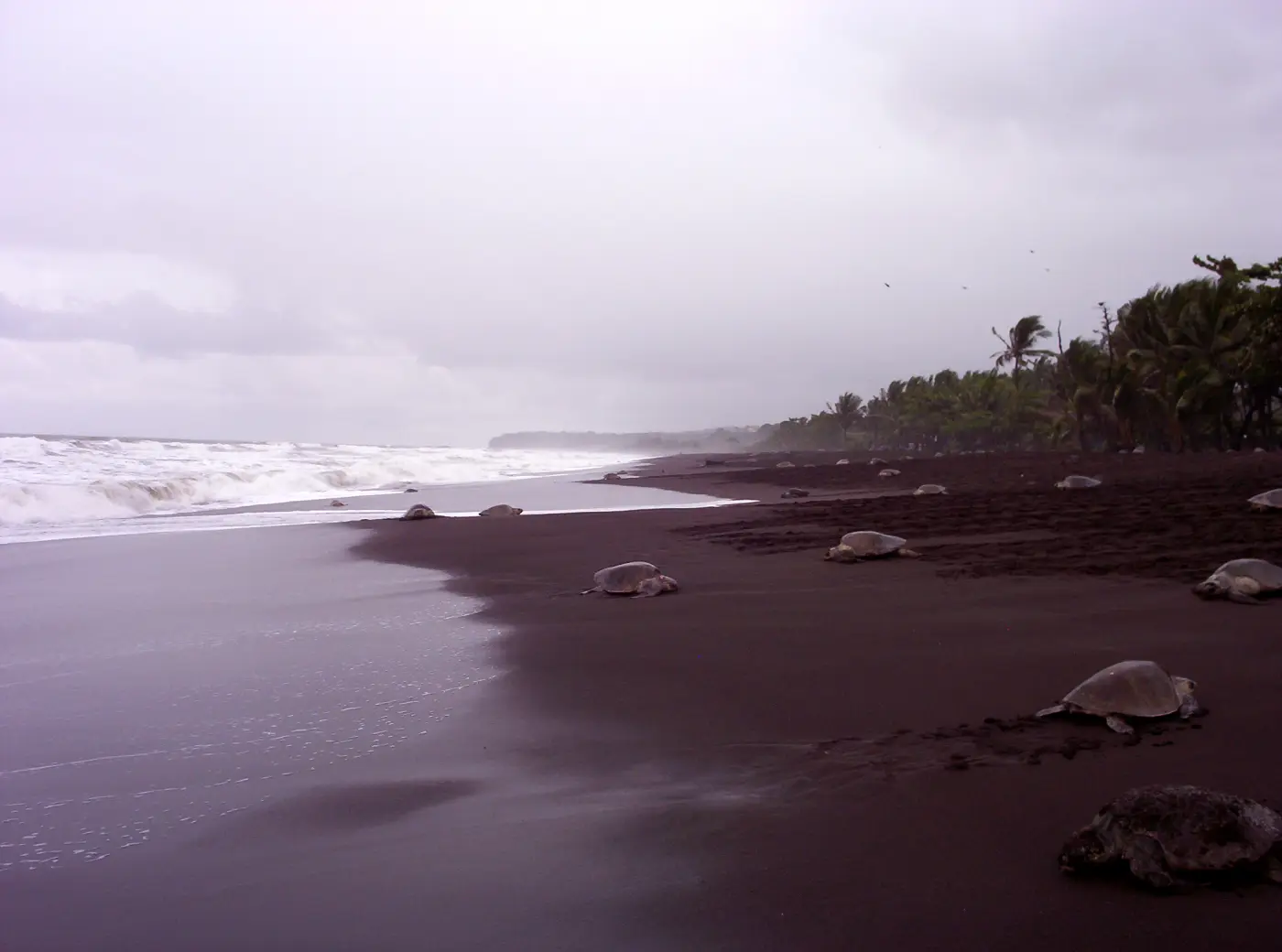
Ostional is also the turtle refuge beside Nosara, so the accessible boardwalk is at a site people travel a long way to reach for another reason entirely. Our sea turtle guide covers when the arribadas actually happen.
Ring ahead for the chairs
An amphibious chair is a single shared piece of equipment at each site, not a rack of them. Two wheelchairs at Ostional means two. Contact the refuge before travelling to confirm availability on your date, and treat anything you read here — including this page — as a prompt to check rather than a guarantee.
Which one to aim for
Rincón de la Vieja is the most practical for most visitors, and the reason is the road rather than the trail. The accessible kilometre is in the Las Pailas sector, which is reached by 20 km of almost entirely paved road — the easiest approach of any major park in the province. Note that Rincón sells tickets only through SINAC’s online system, so buy before you travel.
Santa Rosa’s Indio Desnudo trail is the best-equipped of the four on paper — tactile tiles and QR audio signage are provision for visual as well as mobility impairment, which is rarer still — and Santa Rosa is about forty minutes from Liberia.
Palo Verde and Barra Honda are not on the list. Palo Verde in particular is reached by 30 km of gravel, so it is a poor bet regardless.
Where the information stops
Now the part that matters more than the list above, because it tells you how much planning you will have to do yourself.
We checked all 81 tour listings on this site. Not one states whether the activity is wheelchair accessible. The only two references to mobility at all are exclusions — one warning against booking for people with knee, ankle or mobility issues, the other advising against it for people with mobility issues or difficulty seeing at night.
This is not a quirk of our catalogue; the listings carry what operators supply. And the format plainly *can* carry this kind of detail, because 48 of the same listings state that specialised infant seats are available on transfers. Car seats are described. Access is not.
So for any commercial activity in Guanacaste, assume you will be establishing the facts yourself, one operator at a time, before you book.
Things we can tell you are not step-free
Narrow but useful, because these come up constantly in itineraries:
Llanos de Cortés waterfall — reached by a five-minute walk down about 30 concrete steps with rope handrails. Not step-free.
Palo Verde National Park — 30 km of gravel to reach it, and not on the accessible list.
Montezuma waterfall — a scramble, and currently subject to an enforcement order over works at the site; see our Montezuma guide.
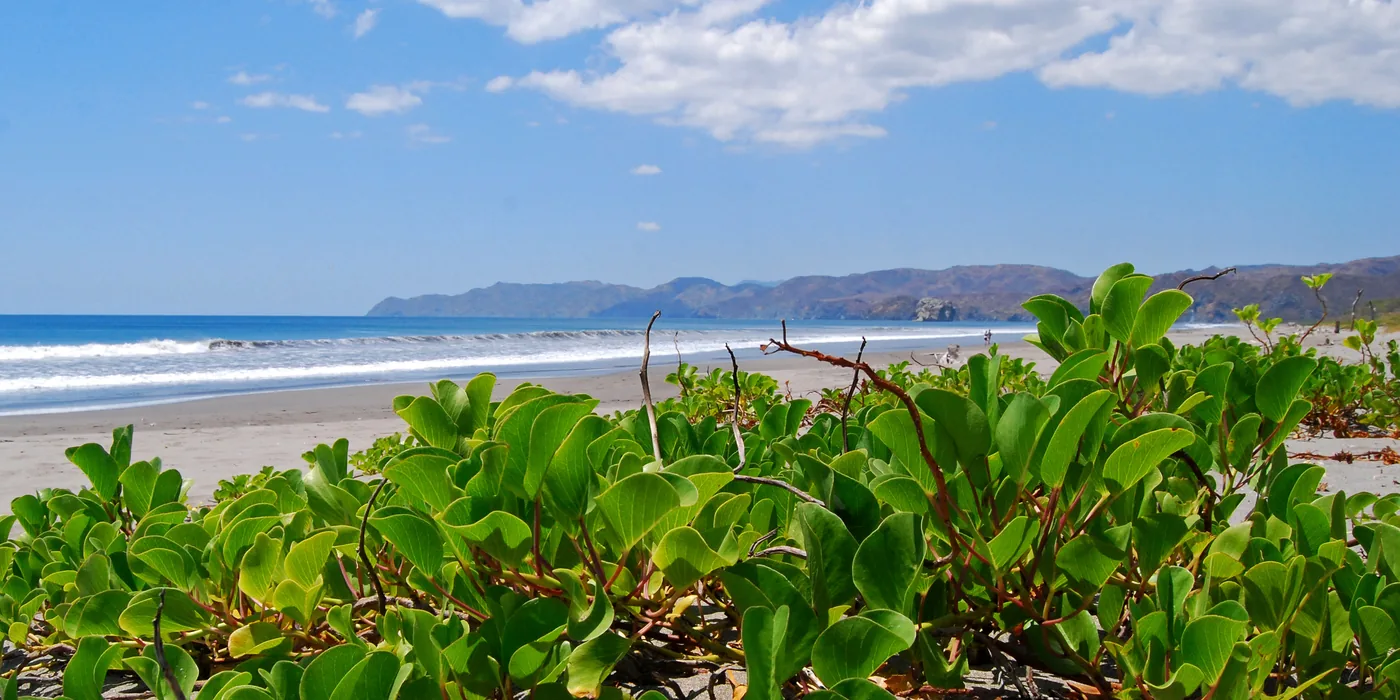
Most beaches — soft sand with no boardwalk, which is precisely why the two amphibious-chair sites matter so much.
What to ask an operator
1.
Describe the ground between the vehicle and the activity. Surface, distance, gradient, steps. Ask for a number, not an adjective — "a short walk" means nothing.
2.
Is there a transfer, and what is the vehicle? Step height into a van is often the actual obstacle, not the activity.
3.
Can the chair be stowed, and who lifts it?
4.
Are there accessible toilets at the site? Ask specifically; "facilities" is not an answer.
5.
Has anyone using a wheelchair done this with you before? This is the question that gets an honest answer, because it cannot be bluffed with a policy.
6.
Send photographs. Many small operators will, and one photograph of the path settles what a paragraph cannot.
What this page does not claim
We have not travelled these trails in a wheelchair, and we are not going to describe surfaces or gradients we have not measured. Everything specific above is attributed, dated and traceable to SINAC’s own published list or to this site’s own audit of its listings.
If you have used any of these four sites and found the published description accurate or inaccurate, we would genuinely like to know, and we will correct this page and say who corrected it. Contact us. An accessibility guide written from desk research has an obvious ceiling, and the honest thing is to name it rather than write around it.
Tell us what you found
Corrections from people who have been are worth more than anything we can verify remotely.
Are there wheelchair accessible beaches in Guanacaste?
Two nearby protected areas have beach infrastructure: Refugio Nacional Ostional has a 60 m beach boardwalk, an amphibious chair and two wheelchairs, and Refugio Nacional Junquillal has a 100 m beach boardwalk, four accessible picnic tables and an amphibious chair. Amphibious chairs cross sand and enter the water. There is one shared chair at each site, so contact the refuge to confirm availability before travelling.
Which national parks in Guanacaste are wheelchair accessible?
Santa Rosa has the Indio Desnudo trail — 580 m with tactile tiles, QR codes with audio and rest bays every 100 m. Rincón de la Vieja has a 1 km concrete trail section in the Las Pailas sector with railings and a rest bench, and Las Pailas is reached by 20 km of almost entirely paved road, which makes it the most practical. Palo Verde and Barra Honda are not on SINAC’s accessibility list.
Do Costa Rican tour operators publish accessibility information?
Largely no. Of the 81 tour listings reviewed on this site, none state whether the activity is wheelchair accessible, and the only two mentions of mobility are warnings against booking. The same listings describe infant car seats on 48 occasions, so the format can carry the detail — operators simply are not supplying it. Expect to establish the facts yourself, operator by operator.
Does Costa Rica have disability access laws?
Yes, and unusually early ones. Ley 7600, the Ley de Igualdad de Oportunidades para las Personas con Discapacidad, dates from 1996, and SINAC has run a dedicated programme adapting protected areas since 2002. Thirteen protected areas now have accessible sectors. The legal framework is much stronger than the commercial booking information.
Is the Llanos de Cortés waterfall accessible?
No. It is reached by a five-minute walk down about 30 concrete steps with rope handrails. It is not step-free and there is no alternative route.
Sources
Facts in this guide were checked against these references on the dates shown.
Delfino.cr — "Trece áreas protegidas tienen sectores de accesibilidad para todas las personas" — Published 3 October 2024, listing SINAC’s thirteen protected areas with accessibility sectors. Those in or near Guanacaste: Parque Nacional Santa Rosa — "Indio desnudo" trail of 580 m, tactile tiles, QR codes with audio, rest bays every 100 m. Parque Nacional Rincón de la Vieja — a 1 km concrete trail section in the Pailas sector, with railings and a rest bench. Refugio Nacional Junquillal — 100 m beach boardwalk, four accessible picnic tables and an amphibious chair. Refugio Nacional Ostional — 60 m beach boardwalk, an amphibious chair and two wheelchairs. Palo Verde and Barra Honda are not on the list. (accessed 6 October 2026)
SINAC — Accesibilidad e Inclusión — SINAC began the project "Accesibilidad a las Áreas Protegidas para las Personas con Discapacidad" in 2002, equipping protected wilderness areas with infrastructure, signage and educational elements for visitors with physical or mental disabilities. The legal framework is Ley 7600, the Ley de Igualdad de Oportunidades para las Personas con Discapacidad. (accessed 6 October 2026)
Guanacaste Experiences — accessibility statements across 81 tour listings — A review of all 81 tour listings on this site on 6 October 2026 found none stating whether the activity is wheelchair accessible. The only two references to mobility are exclusions — one warning against booking for people with knee, ankle or mobility issues, and one advising against booking for those with mobility issues or difficulty seeing at night. Forty-eight listings state that specialised infant seats are available on transfers, so the listing format is capable of carrying this kind of detail when operators supply it. (accessed 6 October 2026)
Guanacaste Experiences — The Best Day Trips from Liberia — The Las Pailas sector of Rincón de la Vieja is reached by 20 km of almost entirely paved road. Llanos de Cortés waterfall is reached by a five-minute walk down about 30 concrete steps with rope handrails. Palo Verde is approached by 30 km of gravel. (accessed 6 October 2026)
Plan this trip
Browse the tours that fit what you’ve just read — real operators, real prices, book direct.
Contact us