Beaches
Guanacaste Beaches: What the Official Rating Actually Tells You
Guanacaste Experiences editorial team
·
6 October 2026
·
7 min read
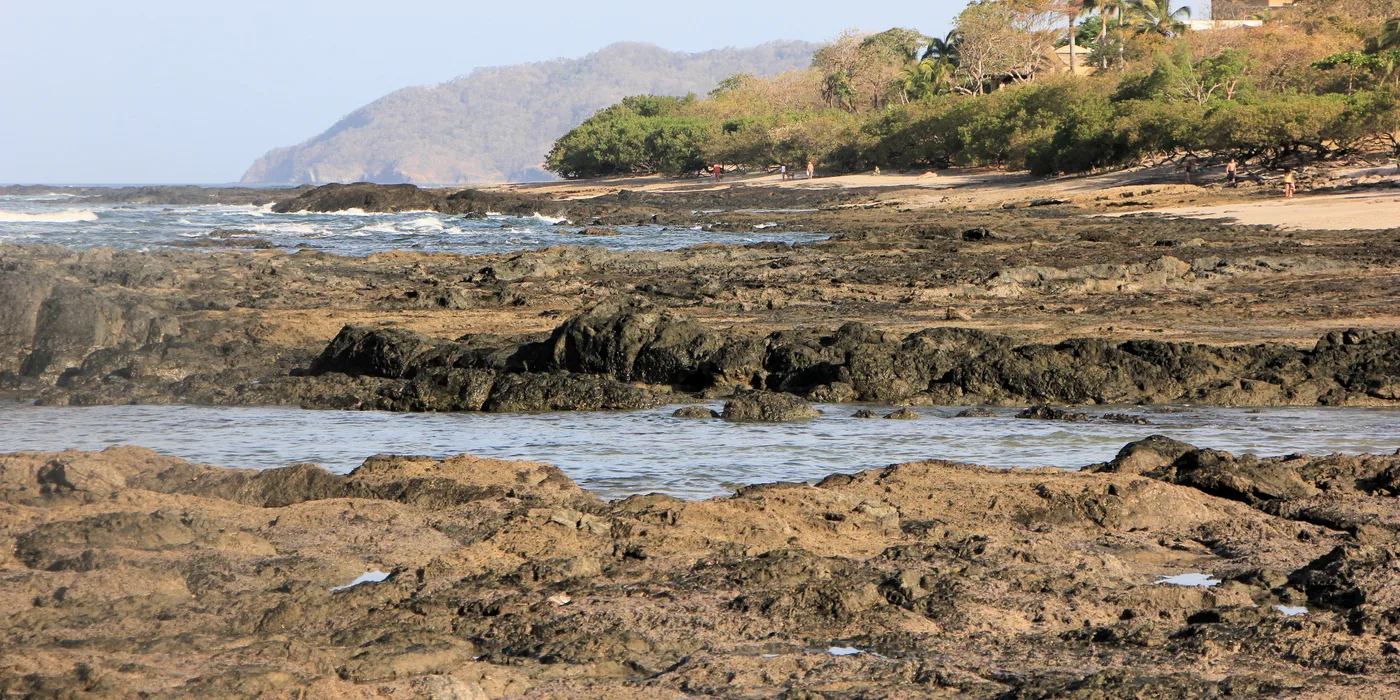
Hero photo: Federico Mata / Wikimedia Commons (CC BY 3.0)
In this guide
What the rating actually measuresWhat it cannot tell youWhy the famous beaches are not at the topThe list changes every yearChoosing a beach for what you actually wantBeaches you reach by boatWhat to check before you goEvery beach guide to this coast gives you the same twenty names in a different order, and every one of them looks identical in photographs. None of them tell you that Costa Rica assesses its beaches annually, publishes the results, and that the assessment is more useful than almost anything written in English about them.
The programme is the Bandera Azul Ecológica, run by the tourism board with the national water laboratory. In March 2026 it marked thirty years by awarding flags to 143 beaches for the 2025 season. Fifty-one of those recognitions are in Guanacaste. Thirteen beaches nationally reached the top five-star grade.
Here is the part worth knowing before you book anything: the Guanacaste beaches that reached five stars are Sombrero, Prieta, Nacascolo, Matapalo, Blanca and Virador, plus Punta del Madero. If none of those names are familiar, that is the finding.
What the rating actually measures
Most people assume a blue flag is a cleanliness award. It is broader than that, and it includes things travellers genuinely care about. Evaluators check:
Water quality, by laboratory testing rather than by eye.
Signage warning about rip currents — whether the hazard is actually marked.
Lifeguards deployed during peak season, which on this coast is rarer than you would hope.
Showers, toilets and service infrastructure.
Waste separation and collection.
Environmental education run by the local committee.
Beaches get one to five white stars, and then supplementary coloured stars — rosada, plateada, dorada, anaranjada, verde — layered on top for going further. A beach with five white stars and three colours has cleared a genuinely demanding bar.
What it cannot tell you
This matters more than the flag itself, so it gets its own section.
The assessment records that rip-current signage exists and that lifeguards are deployed in peak season. It does not and cannot tell you that a lifeguard is on duty at nine on the Tuesday morning you decide to swim, or what the water is doing that day. Surf, tide and rip currents on this coast change hour to hour. A flag awarded in March describes a committee’s infrastructure, not this morning’s sea.
A blue flag is not a swimming verdict
Drowning is the leading cause of unintentional death among international visitors to Costa Rica, and the great majority of beaches here have nobody watching the water. We do not publish per-beach swimming ratings, because a beach-level rating is too coarse to be worth anything on the morning you are standing in it. Read the sea, ask locally, and see the safety guide.
The reverse error is just as easy. A beach without a flag is not thereby dirty or dangerous. Which brings us to the interesting bit.
Why the famous beaches are not at the top
Tamarindo is not on the five-star list. Nor is Playas del Coco, nor Sámara, nor Nosara — the four beach towns most visitors actually stay in.
That is not a verdict on them. The award goes to a local committee that does the work: organises the testing, puts up the signage, runs the education programme, files the paperwork. It rewards sustained local administration, not natural beauty and not popularity. A small beach backed by one well-run development can out-score a famous town where responsibility is split between dozens of businesses and a stretched municipality.
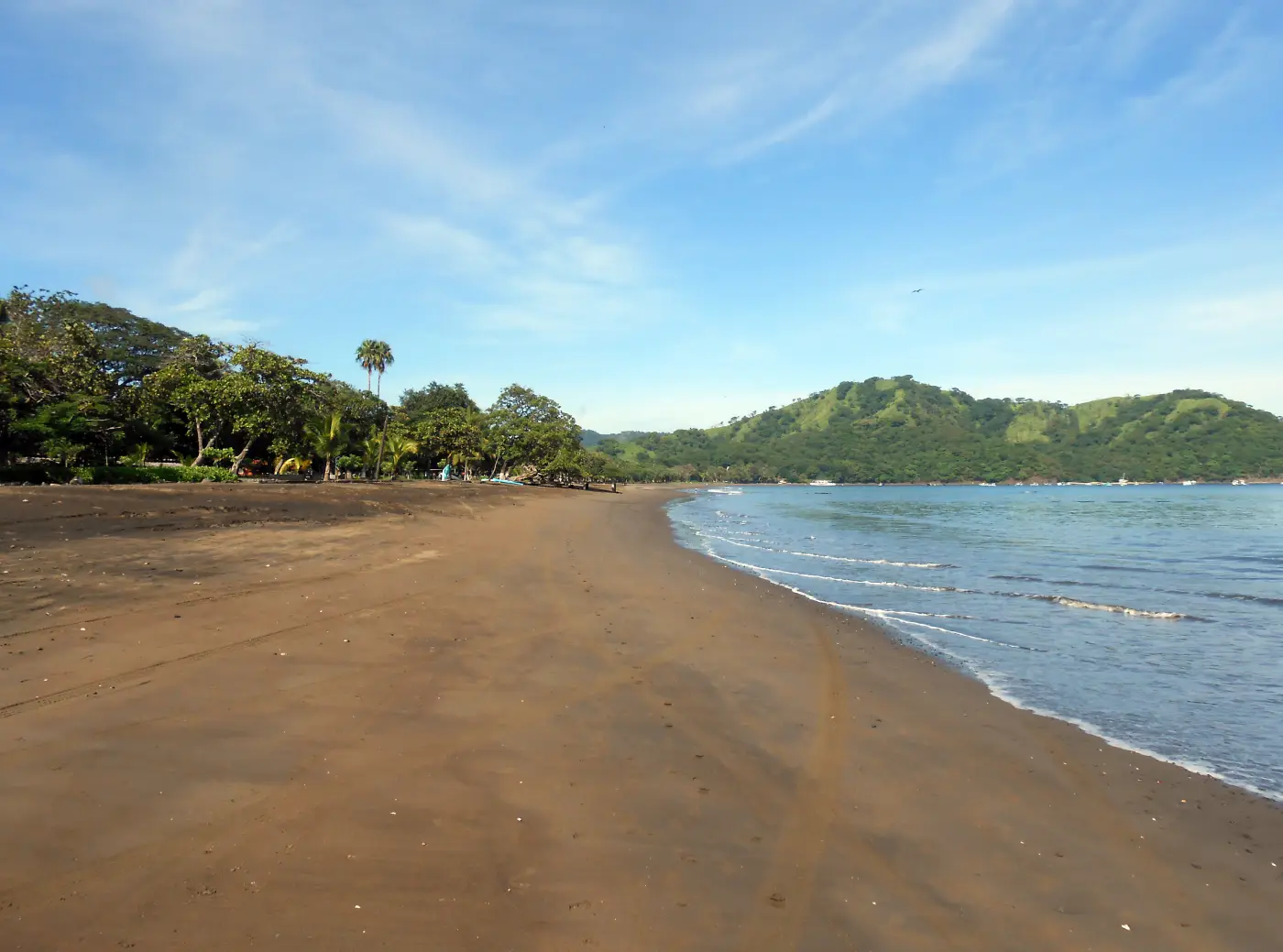
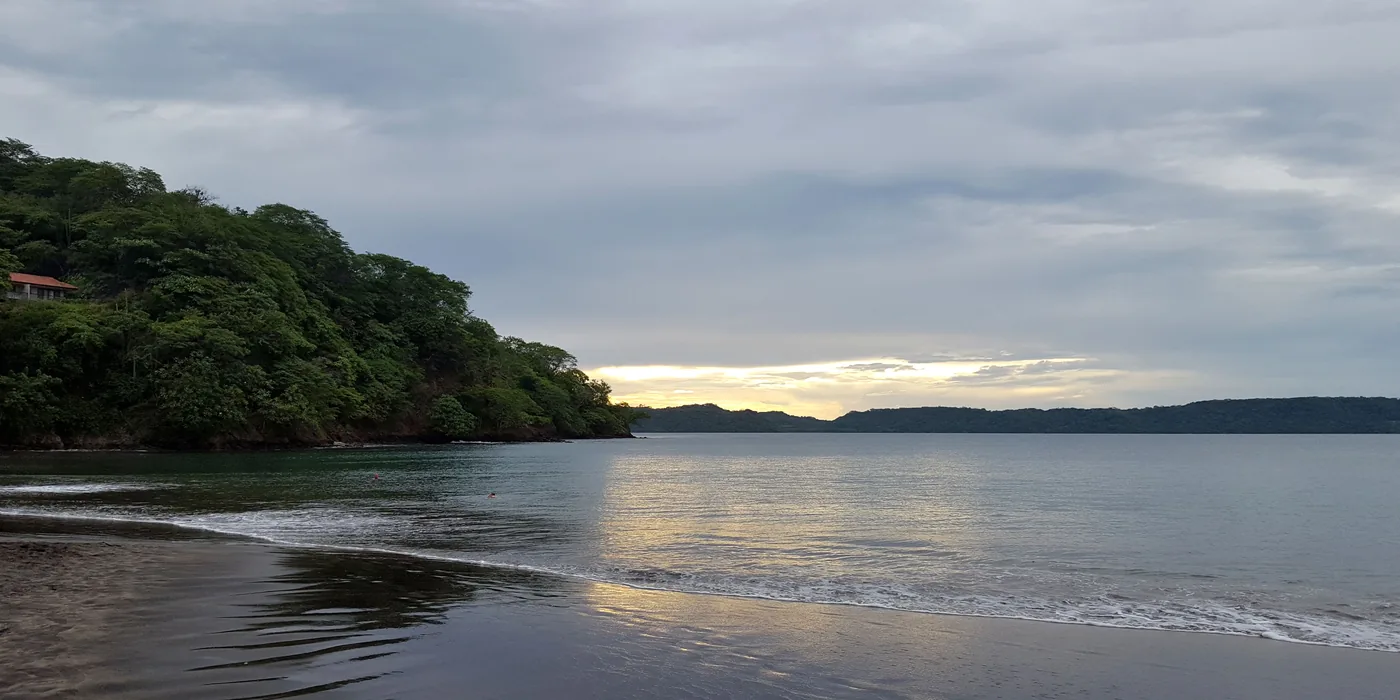
Look at where the Guanacaste five-star beaches actually are and the pattern is obvious: Nacascolo, Blanca, Virador, Prieta and Sombrero are all on or beside Bahía Culebra, the sheltered bay on the Papagayo peninsula — the photograph at the top of this page. It is the least publicly developed stretch of the Guanacaste coast and much of it sits behind the Papagayo project’s management.
So read the list as "these beaches have organised custodians", not as "these beaches are the prettiest". Both facts are useful. They are different facts.
The list changes every year
Worth knowing if you see an older roundup. The numbers move: 151 beaches nationally for 2023 with 50 in Guanacaste and 11 at five stars; 48 Guanacaste beaches for 2024; 143 nationally with 51 Guanacaste recognitions for 2025. Conchal held five stars for the 2024 period and does not appear among the named five-star beaches for 2025.
A beach dropping off a list usually means a committee lapsed, not that the sea changed. Treat any published list — including this one — as a snapshot with a date on it.
Choosing a beach for what you actually want
The flags are one input. In practice the things that differ most between Guanacaste beaches are shade, facilities, how far you must drive, and what there is to do once you arrive.
Starting points by what you are after. Drive times are from Liberia airport (LIR) and come from our own transfer research.
| If you want | Start with | From LIR |
|---|---|---|
The shortest possible transfer | 30–45 min | |
Restaurants, nightlife and surf lessons in one walkable town | 1–1½ hr | |
Quiet, good hotels, catamarans and the Conchal shell sand | Playa Flamingo and Conchal | 1–1½ hr |
A long, gentle bay rather than open surf | 2–2½ hr | |
Consistent surf and a wellness-leaning town | 2½–3 hr | |
The highest-rated beaches on the official list | Bahía Culebra and the Papagayo peninsula | 30–45 min |
That last row comes with a caveat. Much of the Papagayo peninsula sits inside a managed development, so access to some of those five-star beaches runs through the resorts on them. Nacascolo is the usual exception and the one most visitors can reach. All beaches in Costa Rica are public to the high-tide line; getting to them across private land is the part that varies.
If you are still choosing a base rather than a beach, the first-timer’s guide compares the towns properly, and Tamarindo vs Coco vs Nosara goes deeper on the three most common choices.
Beaches you reach by boat
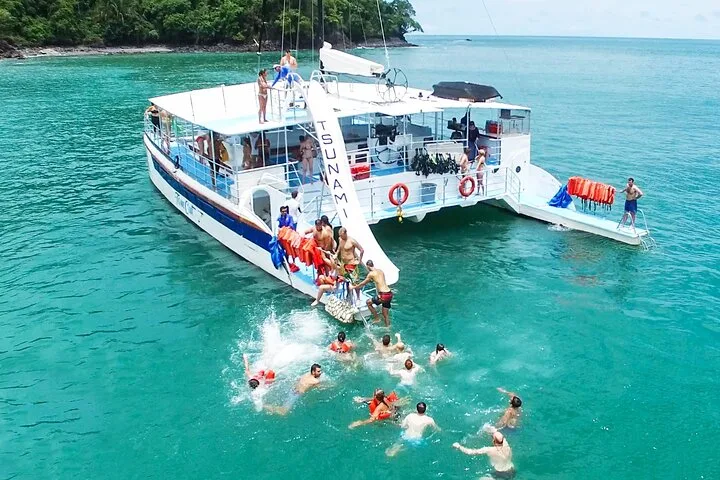
A practical note that the beach lists never mention: several of the best stretches on this coast are easier to reach from the water than by road. Catamaran trips out of Flamingo and Tamarindo stop at coves you would otherwise need a long drive and a rough track to see, and an all-inclusive sail from Flamingo is the common way people actually visit them.
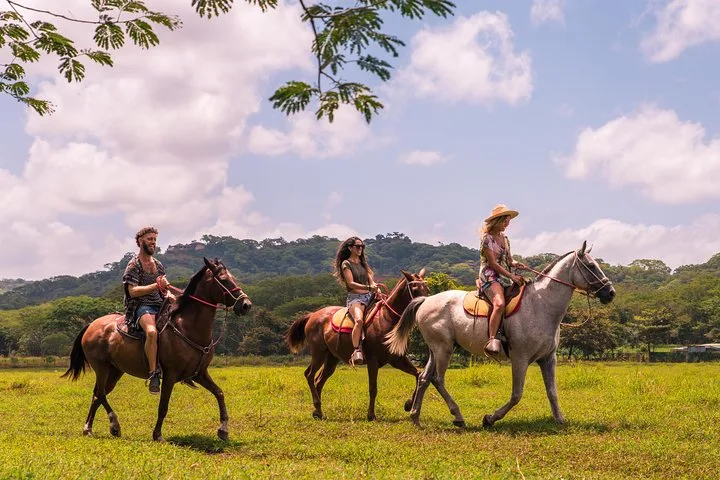
Conchal is the other case worth planning around. Its sand is crushed shell rather than grain, which is genuinely unusual and genuinely worth seeing, and the easiest land approaches are from Brasilito or on horseback from Tamarindo or Flamingo.
What to check before you go
1.
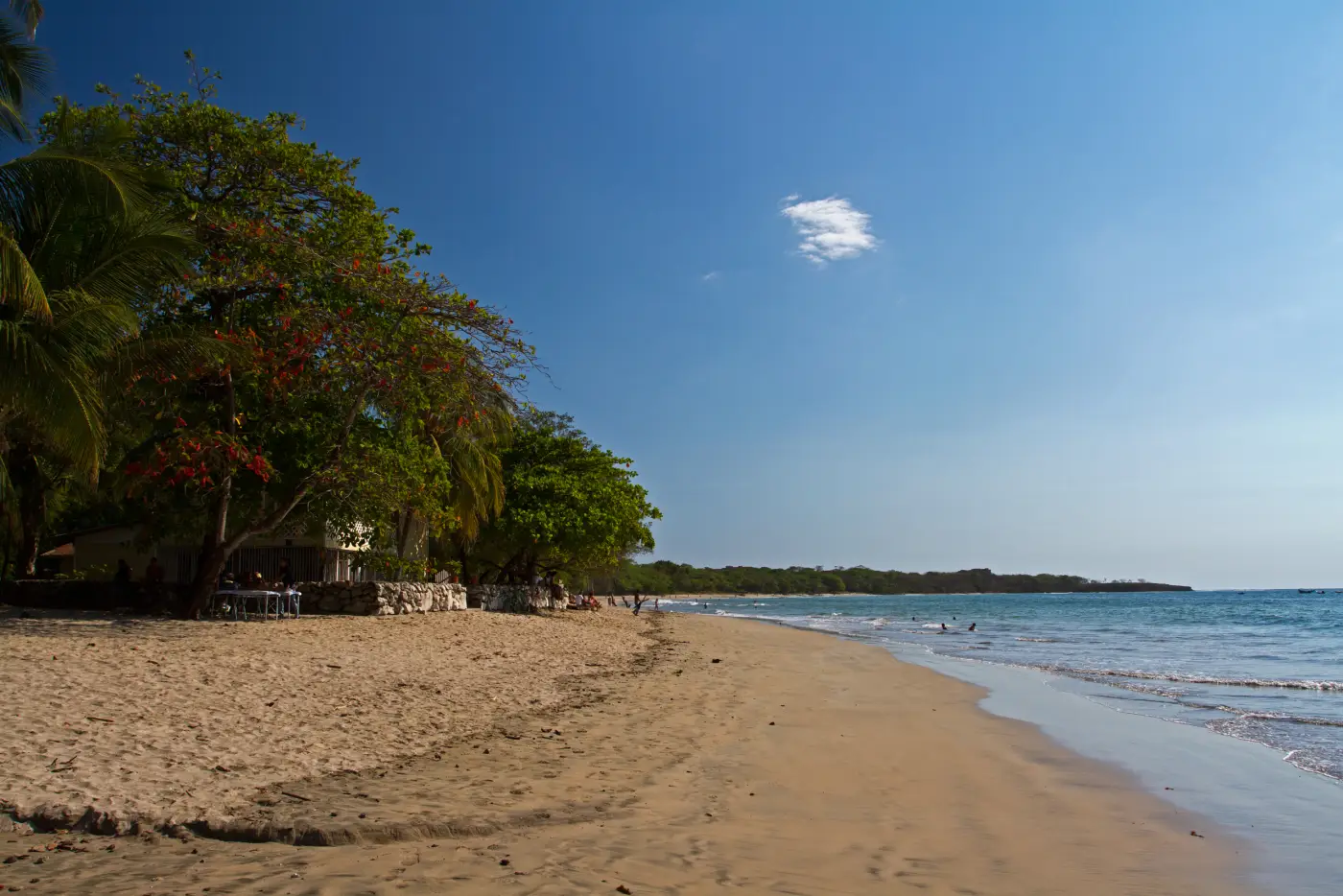
Shade. Many Guanacaste beaches have almost none, and the dry season sun here is punishing from ten until three. A beach with trees to its edge is a different day out from one without.
2.
Facilities. The flag programme assesses showers and toilets precisely because plenty of beaches have neither.
3.
Tide. Some of these beaches are transformed by it — Conchal’s shell bank and the rocky ends of several bays are tide-dependent.
4.
The last kilometre. The paved road often stops before the sand does. Check the final approach rather than the overall drive time.
5.
Whether anyone is watching the water. Usually nobody is. Plan for that rather than hoping.
Compare the main beach towns
Choosing a base matters more than choosing a single beach.
What is the Bandera Azul Ecológica?
Costa Rica’s national ecological blue flag programme, run by the tourism board with the national water laboratory, now in its thirtieth year. It assesses beaches annually on water quality, rip-current signage, peak-season lifeguard deployment, showers and services, waste separation and environmental education, awarding one to five white stars plus supplementary coloured stars.
Which Guanacaste beaches have five Bandera Azul stars?
For the 2025 evaluation period, awarded in March 2026: Sombrero, Prieta, Nacascolo, Matapalo, Blanca and Virador in the northern sector, plus Punta del Madero in the north–south area. Most of them sit on or beside Bahía Culebra on the Papagayo peninsula. The list is reassessed every year.
Does a blue flag mean a beach is safe to swim at?
No. The programme records that rip-current signage exists and that lifeguards are deployed in peak season, which is useful, but it cannot tell you what the water is doing on the day you visit or whether anyone is on duty when you swim. Conditions on this coast change hour to hour, and most beaches have nobody watching at all.
Why is Tamarindo not on the five-star list?
Because the award rewards a local committee doing sustained administrative work — testing, signage, education, paperwork — rather than beauty or popularity. A small beach behind one well-run development can out-score a famous town where responsibility is split across dozens of businesses. A missing flag is not a verdict on the beach.
Which Guanacaste beach is closest to Liberia airport?
Playa Hermosa and Playas del Coco, at roughly 30 to 45 minutes. The Papagayo peninsula beaches that dominate the five-star list are in the same bracket, which makes them unusually accessible for how little visited they are.
Can you visit the Papagayo peninsula beaches?
Every beach in Costa Rica is public to the high-tide line, but much of the Papagayo peninsula sits inside a managed development, so the land approach to some beaches runs through the resorts on them. Nacascolo is the one most independent visitors reach. Several nearby coves are easier to see from a boat than from the road.
Sources
Facts in this guide were checked against these references on the dates shown.
Programa Bandera Azul Ecológica — 30th anniversary awards, 143 beaches (2025 evaluation period) — Published 20 March 2026 for beaches meeting 2025 standards: 143 beaches awarded nationally, 51 recognitions in Guanacaste, and 13 beaches reaching five stars. Named Guanacaste five-star beaches are Sombrero, Prieta, Nacascolo, Matapalo, Blanca and Virador in the northern sector, with Punta del Madero in the north–south area. Evaluators verify signage about rip currents, deployment of lifeguards during peak season, infrastructure for services and showers, water quality testing, waste separation and environmental education. (accessed 6 October 2026)
ICT — 151 playas galardonadas con la Bandera Azul Ecológica — Published 15 March 2024. The programme is run by the Instituto Costarricense de Turismo with the National Water Laboratory of the Instituto Costarricense de Acueductos y Alcantarillados. That year 151 beaches were awarded, 50 of them in Guanacaste, and 11 reached five stars. Beaches receive one to five white stars, with supplementary coloured stars awarded on top. (accessed 6 October 2026)
Periódico Mensaje — ICT otorga el galardón Bandera Azul Ecológica a 48 playas guanacastecas — Published 4 April 2025 for the 2024 evaluation period: 48 Guanacaste beaches awarded. Beaches then holding five white stars plus supplementary colours included Matapalo de Carrillo, Virador, Sombrero, Blanca de Papagayo, Punta del Madero, Nacascolo, Conchal and Prieta. The supplementary colours are rosada, plateada, dorada, anaranjada and verde. (accessed 6 October 2026)
Guanacaste Experiences — First Time in Guanacaste — Transfer times from Liberia airport: Playas del Coco and Playa Hermosa about 30–45 minutes; Tamarindo about 1–1½ hours; Playa Flamingo and Conchal about 1–1½ hours; Sámara about 2–2½ hours; Nosara about 2½–3 hours. (accessed 6 October 2026)
Plan this trip
Browse the tours that fit what you’ve just read — real operators, real prices, book direct.
Where to base yourself