Destinations
Tamarindo vs. Playas del Coco vs. Nosara: Where Should You Stay?
Guanacaste Experiences editorial team
·
15 September 2026
·
9 min read
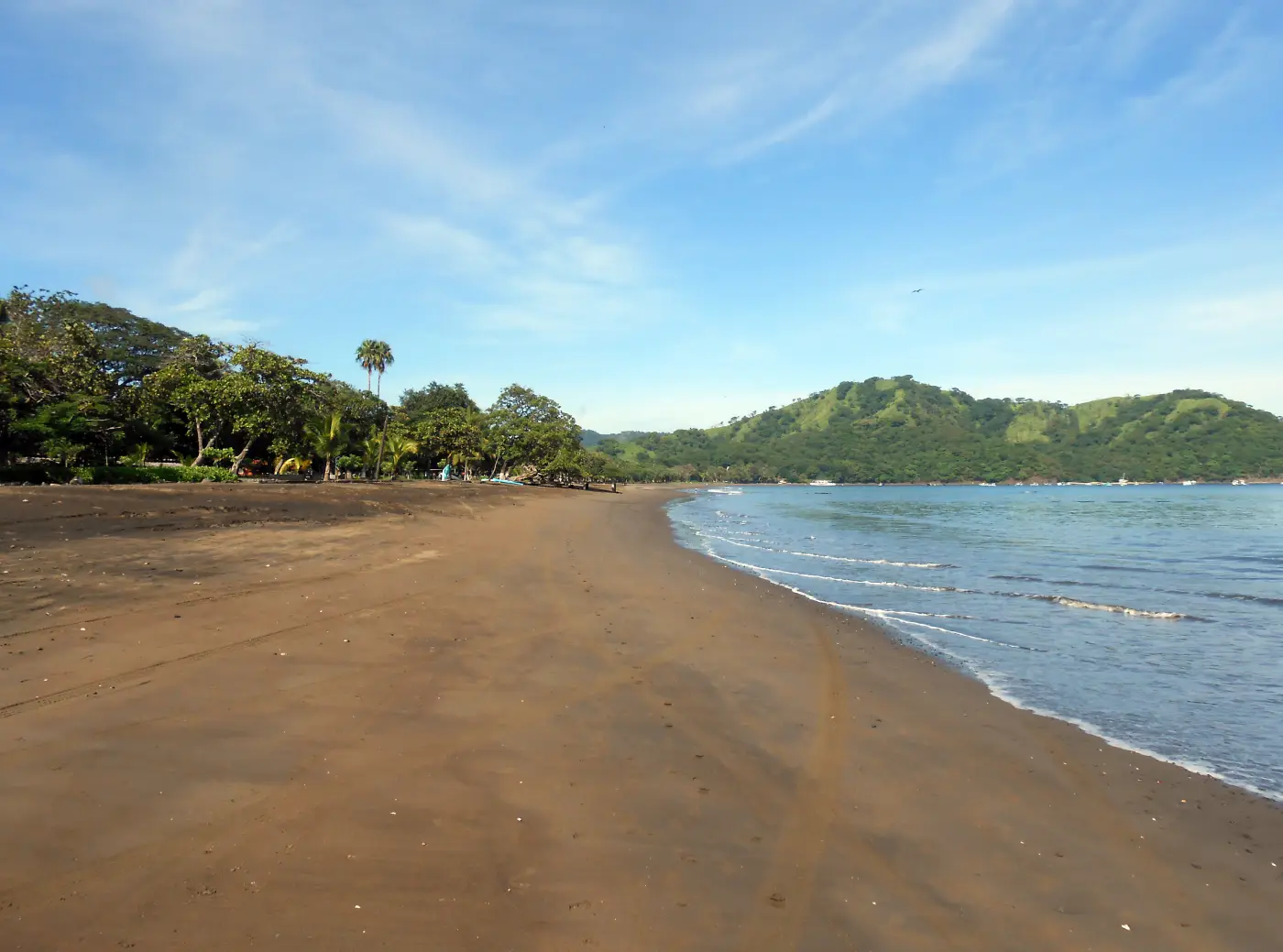
Hero photo: Haakon S. Krohn / Wikimedia Commons (CC BY-SA 3.0)
In this guide
Tamarindo vs. Playas del Coco vs. Nosara at a glanceGetting there from Liberia airportBeaches, swimming and surfTamarindo: the easiest place to learnPlayas del Coco: calm water, not surfNosara: better waves, worse swimmingVibe, crowds, food and nightlifeWhich town is best for families?What your days look like from each baseWho each town suits — and who should skip itChoose Tamarindo if…Choose Playas del Coco if…Choose Nosara if…Also consider: Flamingo, Conchal and SámaraFrequently asked questionsChoose Tamarindo if you want a walkable town with plenty of restaurants, nightlife and beginner surf lessons. Choose Playas del Coco if you want calm water for swimming, easy boat and dive trips, and the shortest ride from Liberia airport. Choose Nosara if surf, yoga and a quieter, more rugged coast matter more to you than convenience — and you don’t mind a longer drive.
The short answer
First trip, no car, want options: Tamarindo. Short trip, young kids or divers: Playas del Coco. Surfers and slow travelers with a week or more: Nosara. This guide compares the towns as places to stay; for activities, see our Tamarindo guide and Nosara guide.
Tamarindo vs. Playas del Coco vs. Nosara at a glance
How the three towns compare as a base. Drive times are approximate and depend on traffic, weather and your exact hotel.
Tamarindo
Playas del Coco
Nosara
Drive from Liberia airport (LIR)
About 1¼ hours, paved
About 30 minutes, paved
About 2½–3 hours; potholed and unpaved final stretches
Beach and swimming
Long surf beach; rip currents
Sheltered bay, calm water, dark-tan sand
Waves and rip currents; poor for swimming
Surf
Easy beach break; many surf schools
No real surf in the bay; boat trips to Witch’s Rock
Consistent beach break at Guiones for all levels
Vibe
Guanacaste’s biggest tourist town; busy December–April
Traditional Costa Rican beach town; busy in high season
Laid-back surf and yoga scene; spread out
Food and nightlife
Widest choice; very active nightlife; pricey
Bars, live music, a couple of clubs and a casino
Low-key; not a party town
Getting around
Compact and walkable
Walkable main road and beach boardwalk
Car or ATV helps, unless you stay in Guiones
Young families
Fine with care in the water
Calmest water of the three
Not ideal if you need calm swimming
Getting there from Liberia airport
Access is the biggest practical difference between the three, and it matters most on arrival day. The times below are from Liberia (LIR); if you haven’t booked flights yet, see LIR vs. SJO.
Playas del Coco: about 30 minutes on mostly flat, paved roads. It’s the closest beach town to the airport, which makes it an easy base for a short trip or a first or last night. See Liberia airport transfers to Papagayo and Coco.
Tamarindo: about 1¼ hours, with Route 155 paved into town. See Liberia airport transfers to Tamarindo.
Nosara: about 2½–3 hours. The usual route runs south on Route 21 to Nicoya, then toward Sámara on paved Route 150, before a turnoff to Nosara that’s paved but badly potholed. The last stretch is a mix of rough dirt and pavement. A car with higher clearance is recommended, and a 4x4 is useful in the rainy season.
Skip the coastal shortcut to Nosara in the rainy season
From Tamarindo or the northern beaches, the alternative coastal route via Ostional can look tempting. It gets muddy, and the river between Ostional and Nosara is sometimes impassable even with the newer bridge, so it’s not recommended in the rainy season (roughly May to November). Take the paved route through Nicoya instead. If you’d rather not drive, Sansa flies daily from San José to Nosara in about 45 minutes — see San José to Guanacaste.
Beaches, swimming and surf
Tamarindo: the easiest place to learn
Tamarindo’s long beach has an easy break with waves around waist height on typical days, and it’s one of Costa Rica’s best-known surf beaches, so you’re never far from a surf school. Swimming is possible, but rip currents occur, so swim where the water is calm and ask locally. Stay out of the water near the estuary mouth: crocodiles from the estuary sometimes swim out to sea, especially around dawn and dusk, and Costa Rica’s environment ministry advises against surfing near river mouths.
Playas del Coco: calm water, not surf
Coco sits in a deep, sheltered bay with gentle waves, which makes it the best of the three for swimming and wading with children. The trade-off is looks: the sand is dark tan, and it’s a working bay where boats anchor and tours leave from the beach, so don’t expect a postcard beach. There’s no real surf in the bay itself; surfers staying here take boat trips of about 45 minutes to Witch’s Rock in Santa Rosa National Park. Wave size there depends on the swell, so ask the operator whether conditions suit your level.
Nosara: better waves, worse swimming
Nosara’s main beach, Playa Guiones, runs for about 7 km with a consistent beach break that works almost any time of day, which is why surfers of all levels base themselves here. The same waves and rip currents make Nosara’s beaches poor for casual swimming. Guiones, Pelada and Playa Nosara are part of the Ostional National Wildlife Refuge, and the town has no main strip along the sand.
Vibe, crowds, food and nightlife
Tamarindo is the biggest tourist town in Guanacaste. Mid-rise hotels, condos and multi-story commercial plazas are now common, the main strip is packed with shops and restaurants serving a wide range of international food, and there’s a very active nightlife. Crowds peak from December to April, and restaurant prices are on the high side for Costa Rica. If you’re looking for a small, traditional village, this isn’t it.
Playas del Coco is one of Costa Rica’s most traditional beach towns, popular with Costa Ricans as well as North American and European visitors. Life centers on one main road running down to the beach — with shops, restaurants, banks and supermarkets — and a boardwalk where people gather for sunset. It has busy bars, live music in high season, a couple of dance clubs and a casino, then gets noticeably quieter in the low season.
Nosara is really several areas: Playa Guiones (the walkable hub), quieter Playa Pelada, residential Boca Nosara and the original village inland. It draws surfers and wellness travelers, with plenty of yoga studios and retreats. Evenings are low-key, and if nightlife is a priority you’ll be happier in Tamarindo or Coco.
Working remotely from Nosara?
Plan for power cuts. In late 2025, The Voice of Guanacaste reported that both electricity circuits supplying Nosara ranked among the 13 in Costa Rica with the most interruptions, with the utility’s planned upgrades running from 2027 to 2031. Ask your accommodation about backup power.
Which town is best for families?
Playas del Coco suits families with young children best: calm water, a short airport transfer and an easy town to walk. Tamarindo also works for families who want everything close by, but keep children in shallow water and away from the estuary mouth. If you’re booking a surf lesson there, note that one popular school requires children under 12 to take a private lesson. Nosara’s waves suit surfers of all levels, but its rip currents make it a poor fit for small children who want calm swimming.
What your days look like from each base
Your base shapes the easy, no-drive options. These examples show the difference; prices are the listed “from” price per person in September 2026 and change.
Tamarindo: surf lessons on the town beach, such as the 90-minute Tamarindo surf lesson (from $69 per person), and boat trips into the estuary mangroves of Las Baulas National Marine Park, such as the two-hour Tamarindo estuary boat safari (from $52 per person). Las Baulas also protects the leatherback nesting beaches at Playa Grande, Ventanas and Langosta, but leatherbacks are now very rare and SINAC currently lists no turtle watching in the park. Guided night tours for other species run on beaches further north — see our day trips from Tamarindo.
Playas del Coco: time on the water. Diving, snorkeling, sportfishing and catamaran trips leave from the main beach. Dive trips from Coco head to the Catalina Islands and the Bat Islands; Bat Islands dives are for advanced divers only. For a sail, the catamaran snorkel sunset cruise from Tamarindo or Playas del Coco runs five hours with lunch and an open bar (from $104 per person).
Nosara: surf, yoga and nature close to town, such as a two-hour safari float on the Nosara River looking for birds, howler monkeys and iguanas (from $70 per person), or a 90-minute guided hiking and birdwatching walk in Nosara (from $65 per person). About 13 km north, the Ostional National Wildlife Refuge hosts mass olive ridley turtle nestings, or arribadas, once or twice a month year-round; Visit Costa Rica says the biggest usually come in September and October. SINAC requires an accredited local guide during arribadas.
Liberia-area volcano and national-park day trips are much closer to Coco and Tamarindo than to Nosara, so if you plan several inland days, stay north. Our 5- and 7-day itineraries show how to pair a northern base with a few nights in Nosara.
Who each town suits — and who should skip it
Choose Tamarindo if…
It’s your first trip to Costa Rica and you want restaurants, tours and the beach within walking distance.
You want to learn to surf.
You like a social scene and nightlife.
Skip it if you want a quiet retreat, a traditional village feel or a budget trip.
Choose Playas del Coco if…
You have a short trip and don’t want a long drive after your flight.
You want calm water for swimming or have young children.
Diving, fishing or boat trips are your main plan.
Skip it if you want surf out front or a postcard-perfect beach.
Choose Nosara if…
You already surf, or want consistent waves to improve on.
Yoga, wellness and a slower pace are the point of the trip.
You have a week or more and are happy to rent a car.
Skip it if you need calm swimming, nightlife or a short airport transfer.
Also consider: Flamingo, Conchal and Sámara
[Playa Flamingo](/destinations/playa-flamingo) and Conchal (about an hour from LIR): Flamingo is known for high-end stays and a pretty beach, and Conchal has all-inclusive resorts and a beach made of crushed shells with clear water. See Liberia airport transfers to Flamingo and Conchal.
[Sámara](/destinations/samara) (about 2 hours from LIR): a roughly 4 km bay with gentle waves and a family focus. It’s a good choice if you like Nosara’s pace but need calmer water.
Compare Liberia airport transfers
Private, door-to-door transfers to Tamarindo, Playas del Coco, Flamingo and beyond — booked through Viator.
Frequently asked questions
Is Tamarindo or Nosara better for a first trip to Costa Rica?
For most first-timers, Tamarindo. It’s closer to Liberia airport, walkable, and has the widest choice of restaurants, surf schools and tours. Nosara rewards travelers who prioritize surf or yoga and don’t mind a longer drive and a spread-out town.
Is Playas del Coco good for swimming?
Yes. Coco sits in a sheltered bay with gentle waves, which makes it the calmest of the three for swimming.
Can you surf in Playas del Coco?
Not in the bay itself. Surfers staying in Coco usually take a boat trip of about 45 minutes to Witch’s Rock in Santa Rosa National Park. To learn to surf, Tamarindo is the easier base.
How do I get to Nosara from Liberia airport?
Drive about 2½–3 hours south through Nicoya on the paved route, then take the potholed turnoff to Nosara. A higher-clearance car is recommended. Avoid the coastal road via Ostional in the rainy season. You can also fly from San José to Nosara with Sansa in about 45 minutes.
Is Nosara good for kids?
It depends on your kids. Nosara’s waves suit surfers of all levels, but rip currents make its beaches a poor choice for young children who want calm swimming. Playas del Coco or Sámara suit younger families better.
Should I split my trip between two towns?
With a week or more, yes: a few nights in Tamarindo or Coco for volcano and boat trips, then a few in Nosara. With five days or fewer, pick one base so you spend less time packing and driving.
Sources
Facts in this guide were checked against these references on the dates shown.
Visit Costa Rica (ICT) — Guanacaste’s Top 10 — Tamarindo’s wide range of international restaurants, hotels for all budgets, very active nightlife and status as one of the most famous surfing beaches; Nosara’s strong waves, surf and yoga tourism; Sámara as a bay about 4 km long with gentle waves. (accessed 15 September 2026)
Visit Costa Rica (ICT) — Tourist attractions in Guanacaste — Coco is one of Costa Rica’s most popular and traditional beaches, in a bay with gentle waves suited to swimming and boat docking, with sportfishing, diving and boat trips; Playa Conchal’s shell-fragment sand and clear water. (accessed 15 September 2026)
Visit Costa Rica (ICT) — Travelling in Nosara, Guiones and Ostional — Playa Guiones is about 7 km of white sand with medium-strong waves and gravel-road access; Ostional is about 13 km from Guiones; the biggest turtle arrivals are expected in September and October. (accessed 15 September 2026)
Visit Costa Rica (ICT) — Discover Las Baulas Marine National Park — Las Baulas National Marine Park protects the leatherback nesting beaches at Playa Grande, Ventanas and Langosta and the Tamarindo Estuary mangroves. (accessed 15 September 2026)
SINAC — Parque Nacional Marino Las Baulas — The park page states there is currently no turtle observation in the park. (accessed 15 September 2026)
Visit Costa Rica (ICT) — Guanacaste weather — Dry season December–March, April as a transition, rains May–November. (accessed 15 September 2026)
SINAC — Refugio Nacional de Vida Silvestre Ostional — The refuge includes Ostional, Nosara, Pelada and Guiones beaches; olive ridley arribadas happen year-round, once or twice a month; an accredited local guide is mandatory during arribadas. (accessed 15 September 2026)
Two Weeks in Costa Rica — Tamarindo (updated August 2025) — About 1¼ hours from LIR; an easy, roughly waist-high beach break for beginners; rip currents; crocodiles in the estuary; mid-rise development and high-season crowds December–April; compact and walkable; restaurant prices on the high side; who Tamarindo suits and doesn’t. (accessed 15 September 2026)
Two Weeks in Costa Rica — Playas del Coco (updated August 2025) — About 30 minutes from LIR on mostly flat, paved roads; dark-tan sand and calm water in a sheltered cove with no real surf; sand and water not the most pristine; busy bars, a couple of dance clubs and a casino; boardwalk and one main commercial road; family-friendly; diving, snorkeling, fishing and catamaran trips from the main beach. (accessed 15 September 2026)
Two Weeks in Costa Rica — Nosara trip planning essentials (updated September 2025) — About 2½ hours from LIR via Nicoya and Route 150, ending on rough dirt and pavement; higher clearance recommended and 4x4 useful in the rainy season; no main beach strip and a spread-out layout; Guiones as the walkable hub; a consistent beach break for all levels; rip currents make swimming poor; not ideal for nightlife or families wanting calm swimming. (accessed 15 September 2026)
Two Weeks in Costa Rica — Guanacaste regional snapshot (updated September 2025) — Tamarindo as Guanacaste’s biggest tourist town (about 1 hr 20 min from LIR); Coco as the closest beach town (about 30 min); Nosara as more remote (about 3 hr); Flamingo and Conchal about 1 hour from LIR, Flamingo high-end and Conchal with all-inclusive resorts; Sámara about 2 hours away with calmer water and a family focus. (accessed 15 September 2026)
Two Weeks in Costa Rica — Road conditions of specific routes (updated 5 September 2026) — Routes 151 and 155 are paved; the Nosara turnoff from Route 150 is paved but badly potholed; Nosara to Barco Quebrado was paved and in good condition in July 2025; the coastal route north of Nosara is not recommended in the rainy season and the river between Ostional and Nosara is sometimes impassable. (accessed 15 September 2026)
Sansa — Nosara flights — Sansa flies daily between San José and Nosara (NOB); flight time about 45 minutes. (accessed 15 September 2026)
The Voice of Guanacaste — Nosara among the areas with the worst electricity service (November 2025) — Both circuits supplying Nosara rank among the 13 in Costa Rica with the most interruptions; ICE’s planned fixes run from 2027 to 2031. (accessed 15 September 2026)
The Tico Times — Crocodiles share waves with surfers at Costa Rica’s popular breaks (January 2026) — Crocodiles from Tamarindo’s estuary swim out to sea; extra care at dawn and dusk; the environment ministry advises against surfing near river mouths. (accessed 15 September 2026)
My Tan Feet — Witch’s Rock surf trips (updated February 2026) — Witch’s Rock is off Playa Naranjo inside Santa Rosa National Park; boats to Witch’s Rock leave from Playas del Coco (about 45 minutes), Playa Hermosa and Tamarindo (about 1½ hours); wave size ranges from small to barreling depending on swell. (accessed 15 September 2026)
Rich Coast Diving — Diving trips from Playas del Coco — Dive trips based in Playas del Coco; Bat Islands dives are for advanced divers only, with bull sharks best June–October; manta season at the Catalinas in the dry season. (accessed 15 September 2026)
Plan this trip
Browse the tours that fit what you’ve just read — real operators, real prices, book direct.
Explore Guanacaste destinations
Related experiences


Guanacaste Experiences
An independent guide to the best tours and excursions in Guanacaste, Costa Rica.
Guanacaste Experiences is an independent guide. We do not operate tours ourselves — bookings are completed by trusted partners such as GetYourGuide and Viator, each with their own secure checkout and cancellation terms. We may earn a commission when you book through our links, at no extra cost to you.
© 2026 Guanacaste Experiences. All rights reserved.