Practical
Guanacaste Has Its Own Cuisine, and It Is Not on the Beach Menu
Guanacaste Experiences editorial team
·
6 October 2026
·
6 min read
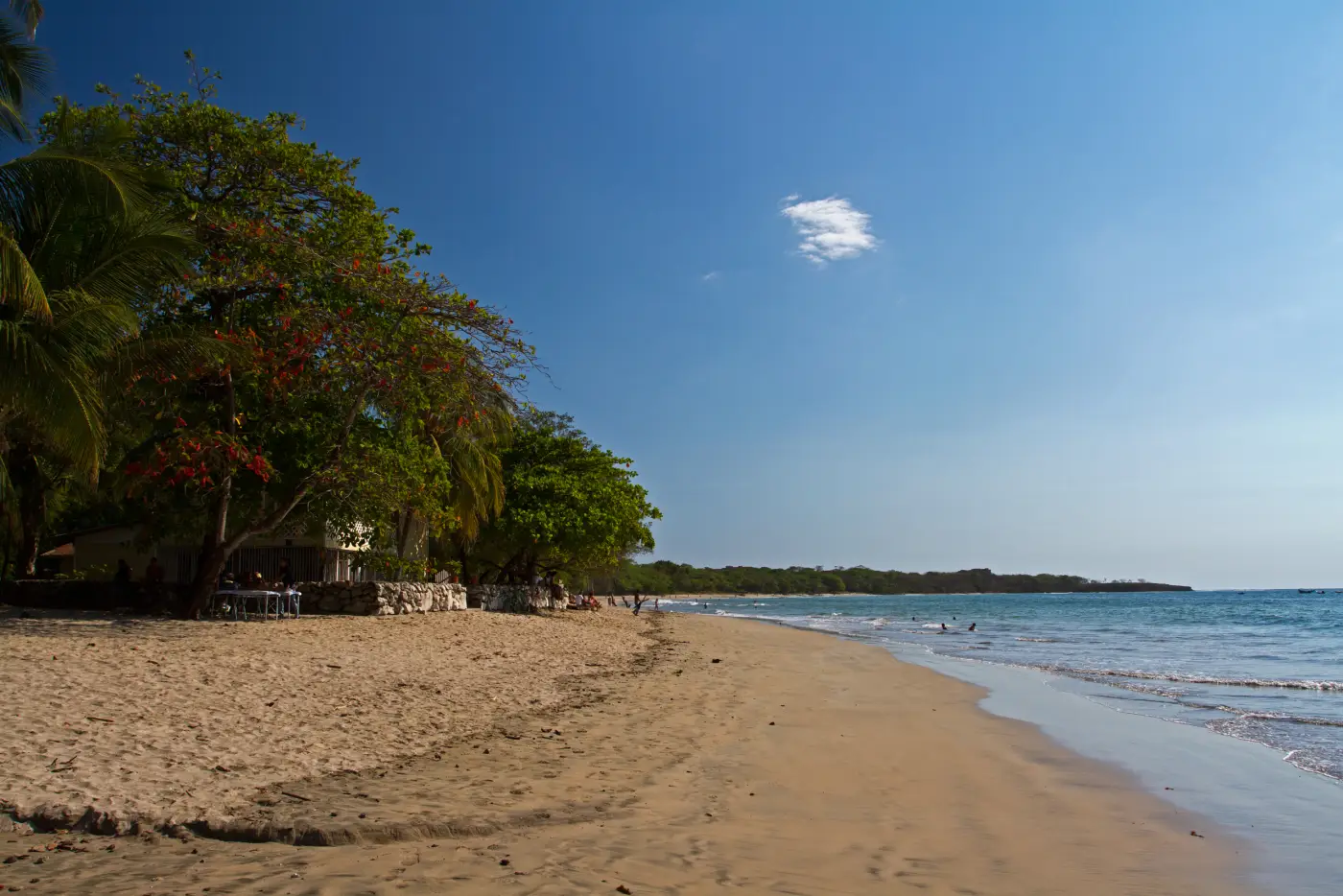
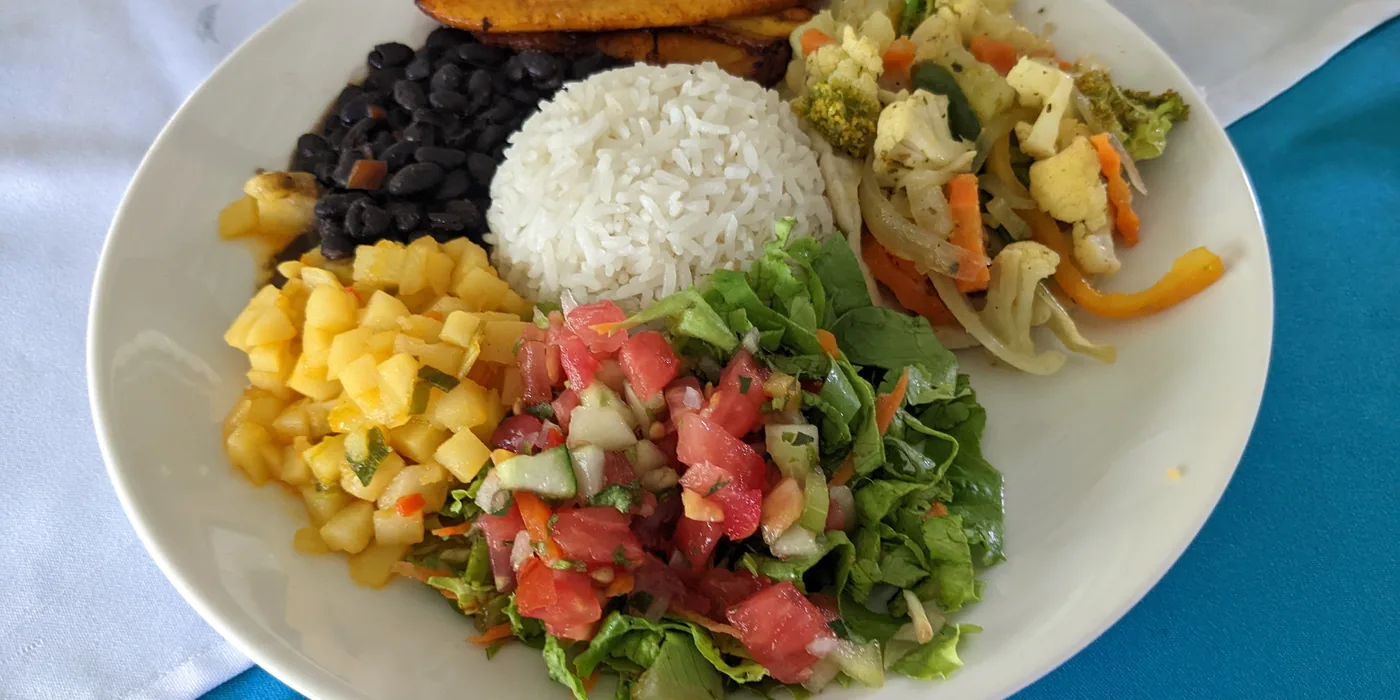
Hero photo: Grendelkhan / Wikimedia Commons (CC BY-SA 4.0)
In this guide
Start with the national plate anywayWhat is actually from hereWhere you will actually find itEating well on the coastDrinkingWhat a meal costsOpen any guide to Costa Rican food and you get the same list: gallo pinto, casado, ceviche, Imperial. All of it is accurate. Almost none of it is Guanacastecan.
This province has its own cooking, built on maize, inherited from the Chorotega, and recognised by the education ministry as having "a value distinct from the rest of the country". The techniques for processing the grain are described as ancestral and are still in use. You will struggle to find any of it on a menu in Tamarindo.
Start with the national plate anyway
You will eat a lot of casado and you should. It is the standard working lunch: rice, black beans, a salad, fried plantain and a protein — chicken, fish, beef or sometimes just vegetables. The word means "married", for the way the components are paired on the plate.
The place to eat it is a soda: a small, family-run diner, often open-sided, usually with a short handwritten menu. Sodas are where the value is, by a wide margin, and they are where you will eat alongside people who live here rather than people on holiday.
Gallo pinto — rice and beans fried together, with coriander and sweet pepper — is breakfast, served with eggs and maybe natilla or a tortilla. Ceviche on this coast is usually white fish cured in lime with onion and coriander, and it is often very good and very cheap.
The phrase that finds the good food
Ask for the *casado del día* or simply *¿qué hay hoy?* Sodas frequently cook one or two things properly rather than a long menu badly, and the answer to that question is usually the best thing in the building.
What is actually from here
Now the regional part. Maize is the centre of it, and it is treated with real seriousness — the grain is nixtamalised, ground, and cooked on a comal, a flat ceramic griddle of Chorotega design still in use.
Guanacastecan foods and drinks named in the Ministry of Education and ICT descriptions of the province’s cuisine.
| Name | What it is |
|---|---|
Tortilla guanacasteca | Much larger and thicker than the usual Costa Rican tortilla, made from white maize |
Tanelas | Nixtamalised ground maize seasoned with sugar, salt and lard, filled with cuajada and tapa syrup |
Rosquillas | Small maize-and-cheese rings, baked hard — the classic thing to dunk in coffee |
Yoltamales | Tamales made from young, tender maize |
Arroz de maíz | Maize cooked like rice, typically with pork — a fiesta dish |
Pozol | Maize-based stew, thick and substantial |
Chicheme | A drink made from *maíz pujagua*, the purple maize |
Pinol, atol, chicha | Maize drinks, from toasted-ground to fermented |
Tamal dulce, pererreques | Sweet maize preparations |
Note how much of that list is a drink. Maize here is not only something you eat, and chicheme in particular is worth ordering once purely because nothing else tastes like it.
Where you will actually find it
Honestly: mostly not on the coast. The beach towns are built around visitors, and visitor menus converge on burgers, poke bowls, pizza and the national dishes. That is not a scandal, it is a market responding to demand, but it means the regional food requires a small detour.
Inland towns. Nicoya, Santa Cruz, Liberia and the villages between them are where this cooking is everyday rather than exhibited.
Sodas rather than restaurants, and the older and plainer the better.
Markets and bakeries. Rosquillas are sold in bags at roadside stalls and in supermarkets, and they travel home better than anything else on the list.
Fiestas. The province’s festivals are where arroz de maíz and the maize drinks appear in volume, because they are celebration food.
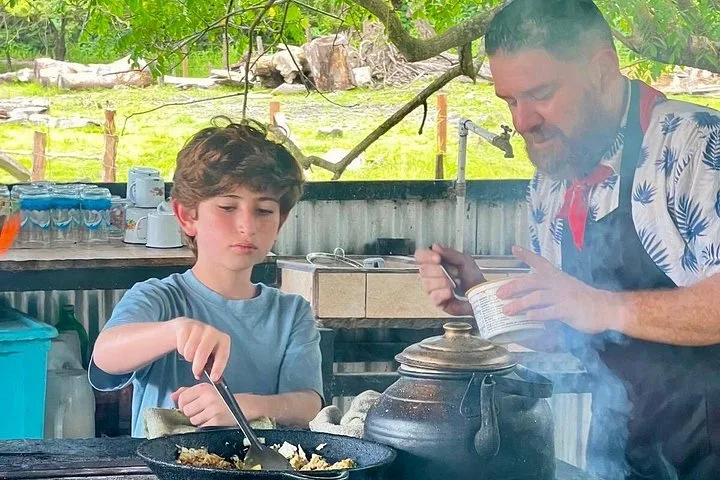
If you are based on the coast and want one deliberate day of this, our day trips from Liberia guide covers getting inland, and a cooking class is the other route — someone shows you the technique, which for maize is most of the dish.
Eating well on the coast
All of which is advice to head inland, and most visitors will spend most of their meals on the coast anyway. For that we keep a Featured Restaurants section, currently centred on Flamingo and Brasilito, with menus, hours and prices taken from each restaurant’s own material or confirmed by the owner in writing.
One thing to be clear about, because this article has spent several hundred words on what is authentic: placement in that section is paid. That is why it is called Featured and not Best — a superlative a restaurant has bought is an advertising claim wearing an editorial jacket. Those listings are a good answer to "where do we eat tonight"; they are not a ranking, and they are not the maize cooking described above. Both things are useful. They are not the same thing.
Drinking
Coffee is obvious and good, and is usually served long and black rather than as espresso. Agua dulce — hot water with tapa dulce, unrefined cane sugar — is the traditional alternative and is what the maize drinks are often sweetened with.
Refrescos naturales are the thing to order with lunch: fresh fruit blended with water or milk. Specify *en agua* or *en leche*. Tamarindo, cas, maracuyá and mora are the common ones, and they are better than anything bottled.
For alcohol, guaro is the national cane spirit, and Imperial and Pilsen are the standard lagers. Costa Rica also now has a real craft beer scene, including in Guanacaste — though you pay roughly tourist prices for it.
What a meal costs
The spread is the biggest practical fact about eating here. A casado in an inland soda and the same dish on a beachfront terrace are not close in price, and the gap is much larger than the gap in quality — often the soda wins on both.
Budget accordingly: eat lunch like a local and dinner like a visitor, rather than the reverse. Lunch is when sodas do their best work, and it is also when the *casado del día* exists.
See the featured restaurants
Featured placement is paid. For the regional cooking in this article, head inland instead.
What food is Guanacaste known for?
Maize, prepared with techniques inherited from the Chorotega and recognised as distinct from the rest of Costa Rica. The characteristic items are the large thick white-maize tortilla, tanelas, rosquillas, yoltamales, arroz de maíz and pozol, plus a whole family of maize drinks — chicheme, pinol, atol and chicha. The national dishes like gallo pinto and casado are eaten here too, but they are not specifically Guanacastecan.
What is a casado?
The standard Costa Rican lunch plate: rice, black beans, salad, fried plantain and a protein, served together. The name means "married", for the way the elements are paired. Ask for the casado del día in a soda and you will usually get the best thing they cook that day.
What is a soda in Costa Rica?
A small family-run diner, often open-sided, with a short menu and low prices. Sodas are where the value is and where you will eat alongside residents rather than visitors. They are also where the regional cooking survives, particularly inland.
Where can I eat traditional Guanacastecan food?
Mostly inland rather than on the coast. Beach-town menus converge on international food and the national dishes. Head for sodas in Nicoya, Santa Cruz, Liberia and the villages between them, buy rosquillas from roadside stalls and markets, and look out for local fiestas, where arroz de maíz and the maize drinks appear because they are celebration food.
What is chicheme?
A traditional Guanacastecan drink made from maíz pujagua, the purple maize. It is one of several maize-based drinks in the province alongside pinol, atol and chicha, and it is worth trying once because nothing else tastes like it.
Sources
Facts in this guide were checked against these references on the dates shown.
Ministerio de Educación Pública (MEP) — "Comida guanacasteca: un sabroso legado cultural" — Maize is a product of great importance in Guanacaste with significance in the social, spiritual and cultural life of the indigenous peoples who lived there; ancestral techniques are still used to process the grain, and the resulting dishes have a value distinct from the rest of the country. Typical foods and drinks named include tortillas, tanelas, tamales, tamal dulce, arroz de maíz, yoltamales, rosquillas, pererreques, pozol, atol, chicheme, chicha and pinol. (accessed 6 October 2026)
Visit Costa Rica (ICT) — Cultural manifestations in Guanacaste — The Guanacaste tortilla is much larger and thicker and made from white maize; tanelas are made from nixtamalised, ground maize seasoned with sugar, salt and lard, and filled with a mixture of cuajada and tapa syrup; chicheme is made with maíz pujagua. Traditional preparation still uses utensils made from jícaras and Chorotega ceramic pieces such as the comal. "Tayuyá" is a Chorotega word. (accessed 6 October 2026)
Plan this trip
Browse the tours that fit what you’ve just read — real operators, real prices, book direct.
Where to stay and eat