Practical
What to Pack for Guanacaste: Start With How You Will Pay to Get In
Guanacaste Experiences editorial team
·
6 October 2026
·
6 min read
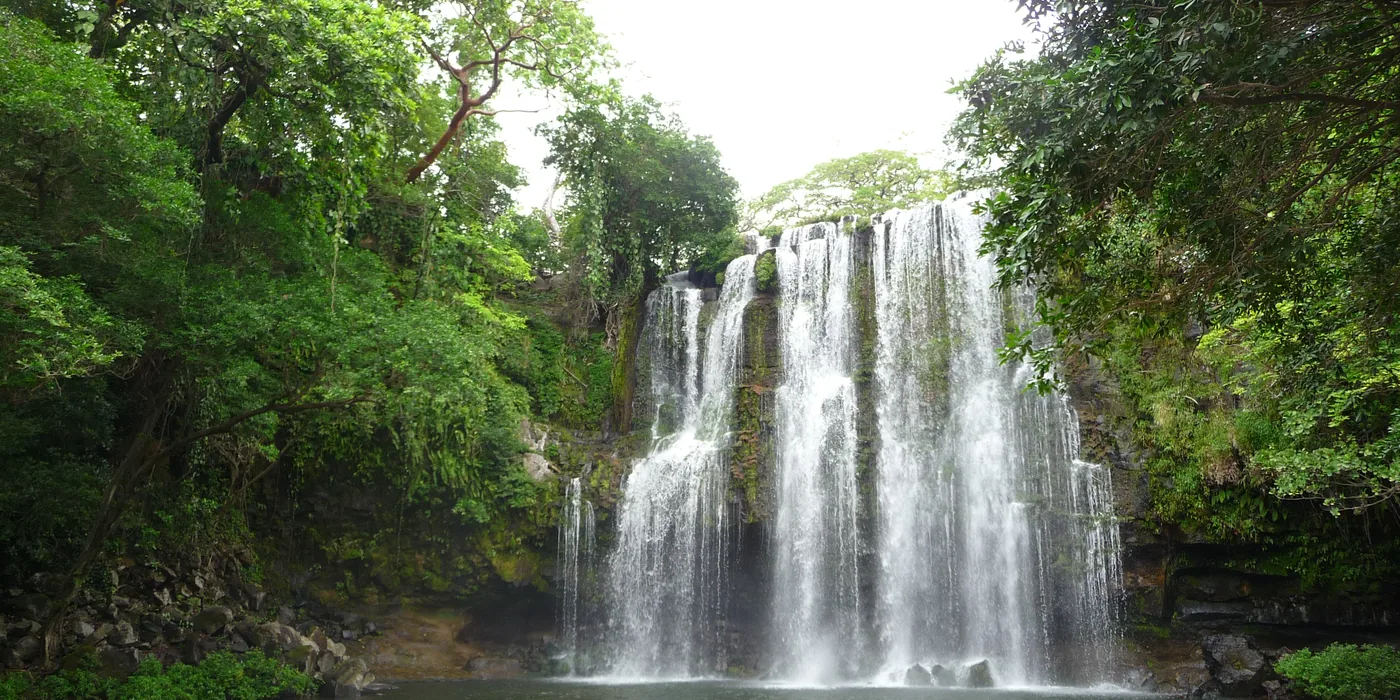
Hero photo: Yricordel / Wikimedia Commons (CC BY-SA 3.0)
In this guide
The three systemsThe wind nobody packs forRain that arrives on a scheduleFootwear, which most lists get wrongSun — and the one place not to wear sunscreenWhat to leave at homeThe short version by seasonMost packing lists for this coast could be for anywhere warm: swimsuit, sunscreen, repellent, sandals. None of that is wrong. None of it is why people get caught out here.
What catches people out is smaller and stranger. There is no single way to pay to get into things. Three of the places you are most likely to visit use three incompatible systems, and arriving with the wrong one means being turned away at the gate after an hour’s drive.
The three systems
How to pay at three of the region’s most-visited attractions. Checked September 2026.
| Where | How you pay | Catch |
|---|---|---|
Rincón de la Vieja | Online in advance only, through SINAC’s system | You cannot buy at the gate at all |
Palo Verde | Card only at the entrance | No cash accepted |
Curú wildlife refuge | Visa or Mastercard at the entrance | FAQ states cash is not accepted |
Llanos de Cortés waterfall | Cash only, colones or US dollars | Your card is no use |
So the first three things on your packing list are not clothing:
A card that works abroad, and ideally two on different networks. Curú specifies Visa or Mastercard, which is worth knowing if you were relying on something else.
Cash in colones, in small notes. Llanos de Cortés is about ₡4,000 for an adult and ₡2,000 for a child aged 7–12. US dollars are accepted there too, but change comes in colones.
Tickets bought before you leave home for Rincón de la Vieja, through SINAC’s online system. This is the one that ruins days, because the drive is long and there is no counter to fall back on.
Bring ID if you are over 65
SINAC admits over-65s free on presentation of ID. That is a real saving across a trip with several parks, and it needs a document you might otherwise leave in the hotel safe.
The wind nobody packs for
Everyone arrives prepared for heat. Almost nobody arrives prepared for January to March being the windiest months of the year — afternoon averages above 15 knots at Liberia, with gusts near 31. That is peak season.
What that changes in a bag:
A hat with a chin cord, or a cap. A wide brim without one is a gift to the sea.
Sunglasses you do not mind losing, and a strap if you care about them. Blowing sand is the issue, not glare.
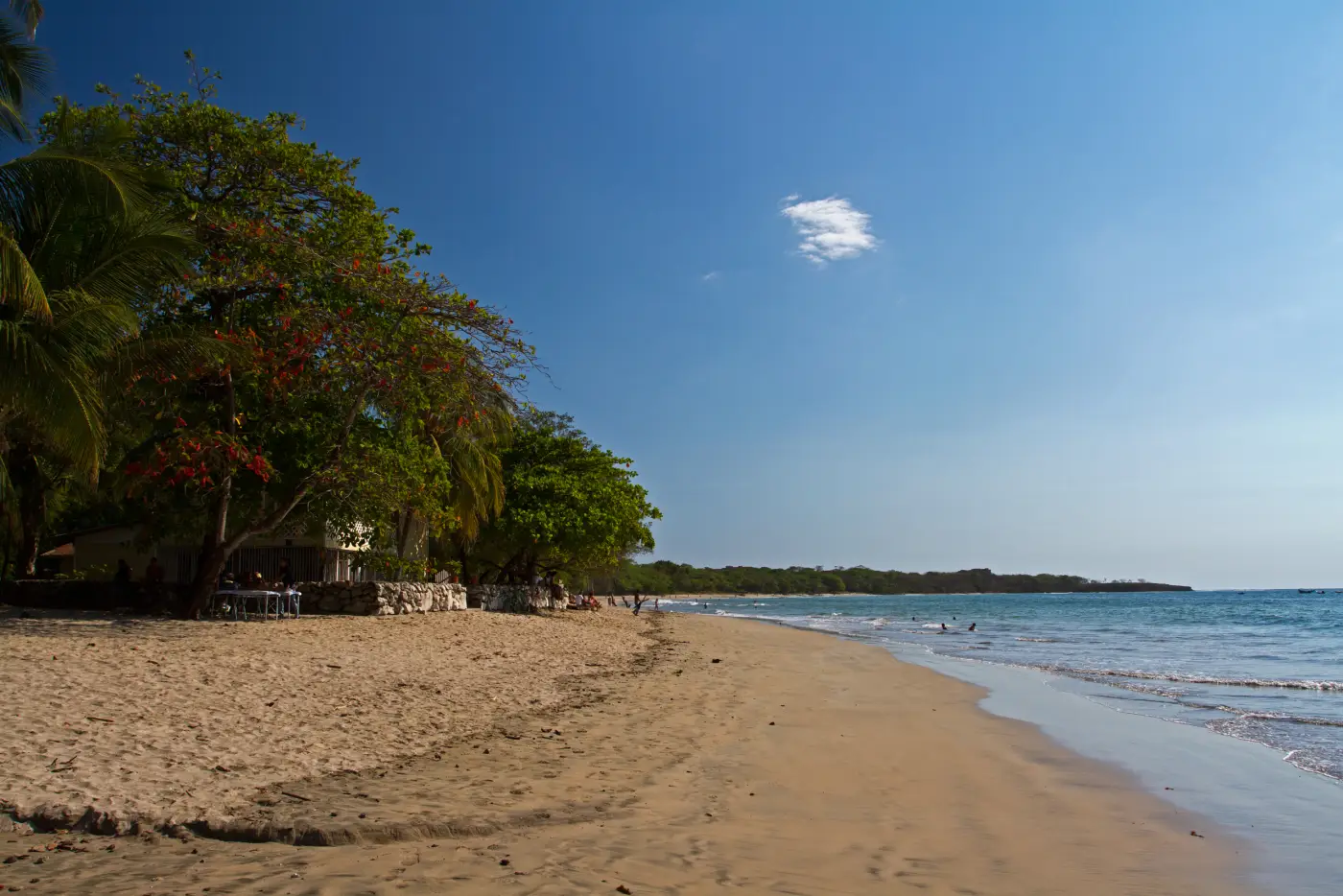
Skip the beach umbrella. It will not stay up. A sarong and a tree line are more use — see our beaches guide on which beaches have shade.
A zipped bag, because an open tote fills with sand.
The calmest months are September and October, under 6 knots. If you hate wind more than you hate rain, that is your window.
Rain that arrives on a schedule
The twenty-year record at Liberia airport shows rain most frequent in the afternoon and evening during the May-to-October green season, with October the wettest month and a dip in July known as the *veranillo*.
This is better news than "rainy season" sounds, and it changes what you pack rather than whether you come. You do not need a day’s worth of waterproofs. You need to keep one afternoon’s worth of things dry:
A dry bag, or a decent zip-lock, for phone and documents.
A light rain shell rather than an umbrella — see the wind, above.
Quick-dry clothing, because nothing air-dries fast in September humidity.
A second pair of shoes. One wet pair and no spare is a miserable week.
Footwear, which most lists get wrong
The common advice is "sandals and one pair of trainers". That is about right in number and wrong in kind, because of what the ground actually does here.
Llanos de Cortés is reached by a five-minute walk down about 30 concrete steps with rope handrails — fine in trainers, unpleasant in flip-flops, and slick after rain. Palo Verde is approached by 30 km of gravel. Rincón’s Las Pailas sector, by contrast, is 20 km of almost entirely paved road, so do not over-prepare for that one.
Pack closed shoes with grip you are willing to get muddy, plus sandals for everything else. Hiking boots are overkill for most visitors and take up a third of a case.
Sun — and the one place not to wear sunscreen
Standard advice applies: high factor, reapply, long sleeves beat lotion on a boat. The exception is worth knowing in advance because it is counter-intuitive.
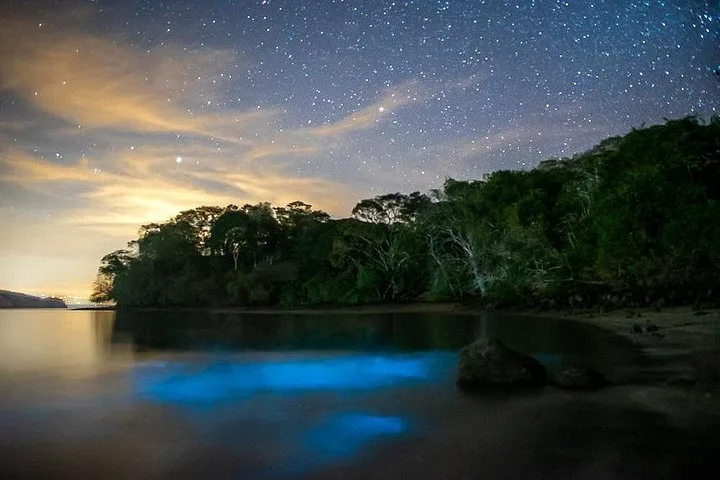
Bioluminescence operators ask guests not to enter the water wearing sunscreen, insect repellent or lotion, on the basis that it harms the organisms that produce the glow. Since the kayak tours run after dark you do not need sunscreen anyway, but you do need to have planned for it — which means a long-sleeved layer for mosquitoes instead of repellent, and applying nothing after your afternoon shower. Our bioluminescence guide covers the rest, including why the moon matters more than the month.
On water generally: most beaches here have nobody watching, and drowning is the leading cause of unintentional death among international visitors to Costa Rica. Llanos de Cortés is a rare exception, with swimming inside a roped area watched by lifeguards and climbing under the falls prohibited. The safety guide is worth ten minutes before the first beach day.
What to leave at home
A beach umbrella, in peak season. See above.
Hiking boots, unless you have a specific multi-day plan. Trainers cover Rincón and Palo Verde.
Large amounts of cash. You need enough colones for the cash-only places, not a trip’s worth.
Heavy rain gear. A light shell handles an afternoon shower; nothing handles October properly.
A hairdryer and a travel kettle. Heat is not the problem here.
Expensive sunglasses, unless they have a strap.
The short version by season
Seasons as the twenty-year Liberia record defines them: dry December–March, rainy May–October, April and November transitional.
| Season | Add | Skip |
|---|---|---|
Dry, December–March | Hat with a cord, sunglasses strap, extra water, lip balm | Umbrella, heavy rain gear |
Transitional, April & November | Light shell, dry bag, both sets of footwear | Nothing much — this is the flexible window |
Green, May–October | Dry bag, quick-dry clothes, spare shoes, repellent | Beach umbrella, anything that needs air-drying |
For what each month actually does — rainfall, wind, wildlife and crowds — the month-by-month guide has the detail behind this table.
See what there is to pack for
Check each listing for its own kit requirements before you book.
Do I need cash in Costa Rica, or are cards enough?
You need both, and specifically for different places. Palo Verde National Park and the Curú wildlife refuge take cards only and state that cash is not accepted. Llanos de Cortés waterfall is cash only, in colones or US dollars, at about ₡4,000 for an adult. Rincón de la Vieja sells tickets only through SINAC’s online system, so neither cash nor card works at the gate.
Do I need to book Costa Rica national park tickets in advance?
For Rincón de la Vieja, yes — SINAC sells its tickets only through the online system at serviciosenlinea.sinac.go.cr and there is no counter at the gate. Palo Verde takes card payment at the entrance. Buying ahead is the safer habit either way, because the drives are long and there is no fallback.
What should I wear in Guanacaste?
Light, quick-drying clothes, a long-sleeved layer for sun and mosquitoes, and a hat that will stay on — January to March is the windiest period, with afternoon averages above 15 knots. Closed shoes with grip for the parks and waterfall steps, sandals for everything else. Hiking boots are more than most visitors need.
Do I need a rain jacket in Guanacaste?
A light shell is enough. In the May-to-October green season the twenty-year record shows rain falls mostly in the afternoon and evening, so you are usually keeping one afternoon dry rather than a whole day. A dry bag for your phone matters more than serious waterproofs. Avoid an umbrella in peak season — the wind will win.
Should I bring insect repellent for the bioluminescence tour?
Bring a long-sleeved layer instead. Operators ask guests not to enter the water wearing repellent, sunscreen or lotion, because of the effect on the organisms that produce the glow. The tours run after dark so sunscreen is not needed anyway — just apply nothing after your afternoon shower.
Is there anything I should bring for discounts in Costa Rican parks?
Photo ID if you are over 65. SINAC admits over-65s free on presentation of ID, which adds up across a trip taking in several national parks.
Sources
Facts in this guide were checked against these references on the dates shown.
SINAC — Parque Nacional Rincón de la Vieja — Las Pailas open Tuesday–Sunday 8am–3pm and closed Mondays; Santa María open Thursday–Monday 8am–3:30pm. Non-resident entry $16.95 adult and $5.65 child, IVA included, with over-65s free on presentation of ID. Tickets are sold only through SINAC’s online system at serviciosenlinea.sinac.go.cr. Las Pailas is reached by 20 km of almost entirely paved road with no 4x4 mention; the Santa María sector is different. (accessed 20 September 2026)
SINAC — Parque Nacional Palo Verde — Open every day 8am–4pm; non-resident entry $13.56 adult and $5.65 child; payment accepted by card only. Access is 30 km of gravel south of Bagaces, for which SINAC recommends a 4x4 in the rainy season. (accessed 20 September 2026)
Refugio Nacional de Vida Silvestre Curú — visitor FAQ — Day admission $18 per adult and $10 per child for foreign visitors. The refuge’s own FAQ states that payment is by Visa or Mastercard at the entrance and that cash is not accepted. (accessed 23 September 2026)
Catarata Llanos de Cortés — Municipalidad de Bagaces — Open daily 8am–4pm with the swimming area closing at 3pm; swimming inside a roped area watched by lifeguards and climbing under the falls prohibited; entry about ₡4,000 for adults and ₡2,000 for children aged 7–12, cash only in colones or US dollars; a five-minute walk down about 30 concrete steps with rope handrails; fuller in the green season; the municipality posts closure updates in heavy rain. (accessed 20 September 2026)
Instituto Meteorológico Nacional — Climatología Aeronáutica 2005–2025, Aeropuerto Daniel Oduber (MRLB) — Twenty-year monthly averages at Liberia airport: dry season December–March, rainy season May–October, April and November transitional. Rain most frequent in the afternoon and evening, October the wettest month, with a July dip (veranillo). Winds strongest January–March, afternoon averages above 15 kt and gusts near 31 kt, falling to about 7 kt May–November and under 6 kt in September–October. (accessed 15 September 2026)
Plan this trip
Browse the tours that fit what you’ve just read — real operators, real prices, book direct.
Browse tours by activity